
FORENSIC & COURT
Expert Witness
Objective, professional evaluation and clear, well-supported testimony — bringing clarity to complexity across family, civil, and criminal courts.

Since 2016
Serving the Bay Area
4.6 ★
Rating on Zocdoc
Family · Civil · Criminal
Courts Served
1,000+
Families Served
OVERVIEW
Clarity in complexity.
Expert witness testimony for psychological evaluation is a crucial aspect of legal proceedings. An expert witness in psychological cases brings clarity to complexity, providing the critical insights that bridge the gap between mental health and justice.
Our team provides an objective and professional evaluation of the psychological state of the individual in question. Our testimony is based on thorough research and analysis, and is presented in a clear and concise manner to assist the court in making informed decisions.
YOUR EXPERTS
Meet the forensic team

Dr. Richard Heafey
Psy.D. · MFT · M.A. · License #30807
Licensed clinical psychologist with training in clinical, counseling, and forensic psychology, working across therapy, assessment, and court-related matters to help individuals and families navigate life's challenges through connection and heart.
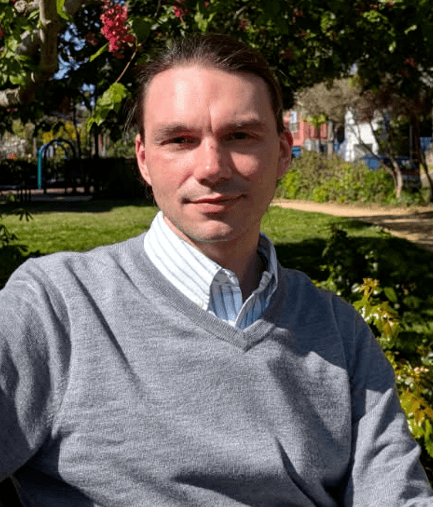
Dr. Jordan Hazzard
Psy.D. · License #35403
Clinical psychologist specializing in psychoanalytic psychotherapy, working with adults and older adolescents. Provides psychological testing, clinical supervision, and teaching alongside his practice.
HOW WE TESTIFY
Types of expert testimony
To testify as an expert, a psychologist must be formally qualified by the judge based on their educational background, CV, and specialized forensic training. Depending on the needs of the case, testimony generally falls into two main categories — with a third option for treating clinicians.
01 · Retained Expert
Case-Specific Expert Testimony
Providing a clinical opinion on the specific parties involved, pursuant to a direct, court-ordered evaluation.
02 · Retained Expert
Topic-Specific Expert Testimony
Educating the judge or jury on broader psychological research and clinical concepts. For example, a psychologist specializing in childhood trauma can explain trauma symptoms, or define a complex dynamic like parental alienation and describe how it typically manifests.
03 · Alternative
Fact Witness
A treating clinician may be called strictly as a fact witness to outline a client's documented treatment history — without offering a forensic opinion on the ultimate legal question.
AREAS OF TESTIMONY
Where we testify
Within those roles, Dr. Heafey provides testimony across three court types. The matters below reflect the areas he is qualified to address.
Civil Court
- Personal injury & tort — emotional distress, PTSD, pain and suffering
- Employment litigation — discrimination, harassment, hostile work environment, fitness-for-duty, ADA accommodation
- Disability & workers’ compensation claims
- Testamentary capacity & undue influence
- Class actions — whether psychological harm can be assessed class-wide, or whether individualized issues predominate
- Psychological impact of life events on quality of life
Family Court
- Child custody evaluations
- Parental fitness evaluations
- Relocation (“move-away”) evaluations
- Termination of parental rights
- Domestic violence risk assessment
- Child sexual abuse allegation evaluations
- Parenting coordination
- Reunification cases
Criminal Court
- Criminal responsibility & insanity defense (NGRI)
- Diminished capacity
- Sentencing mitigation — trauma history, mental health, developmental factors
- Juvenile transfer & waiver evaluations
- Specialized testimony — eyewitness memory, false confessions, interrogation methods
Beyond the witness stand
We also support counsel behind the scenes — reviewing an opposing expert's report and drafting rebuttals, preparing cross-examination questions, consulting on jury selection and mock trials, and prepping your own witnesses for deposition. In family matters we can also serve as a neutral mediator or parenting coordinator, though a mediator generally cannot later testify as an expert in that same case.
METHODOLOGY
What most forensic evaluations include
Regardless of the capacity in which we are hired, our forensic psychologists review legal matters thoroughly, maintain strict objectivity, and deliver clear findings through both written evaluations and oral testimony.
Clinical interviews
Direct interviews with the parties involved in the case.
Collateral interviews
Interviews with treatment providers, family, and friends who can offer context.
Psychological testing
Standardized instruments selected to answer the court's specific questions.
Review of records
Comprehensive review of relevant documentation from every source.
Conclusions
A clear, well-supported clinical opinion provided in writing and through testimony.
Records can range from legal documents to mental health records, as well as depositions, emails, texts, and copies of social media postings.
FEE STRUCTURE
Fees
Expert witness services possess carry a distinct fee structure, separate from the underlying evaluation. Retainer and travel-related fees must be paid in advance.
Deposition & Testimony
Testimony time
Half day (up to 3.5 hours)
$5,000
Full day (4–8 hours)
$7,500
Minimum fees – travel, lodging, and associated fees related to depositions and testimony must be paid in advance.
Retainer & Other Services
Preparation & consultation
Retainer (separate from evaluation retainer)
$5,000
Deposition prep, testimony prep, post-evaluation consultations, expert services, and all other duties outside testimony time
$435 / 50 min
Applies to all duties that fall outside of deposition and testimony time and the agreed upon evaluation process.
why unfold
The Unfold difference
Swift, thorough reports
Our clinicians deliver on the court's timeline without compromising evidentiary rigor or clarity.
Ready for examination
We prepare, appear, and defend our findings under direct and cross-examination in family, civil, and criminal courts.
Retained expert or fact witness
We serve in either capacity, depending on your case's needs — offering flexibility that few practices provide.
Common Questions
Frequently Asked Questions
How does the retainer work?
A $5,000 retainer is required to secure Dr. Heafey or Dr. Hazzard as your expert witness. This retainer is separate from any retainer paid for an underlying evaluation. Travel, lodging, and associated fees related to depositions and testimony must be paid in advance.
What areas can you provide expert testimony on?
Dr. Heafey provides testimony across civil, family, and criminal courts. Civil matters include personal injury and emotional distress, employment litigation, and disability claims; family matters include custody, parental fitness, relocation, and domestic violence risk; and criminal matters include criminal responsibility, diminished capacity, and sentencing mitigation. See the “Areas of Testimony” section above for the full breakdown. We also consult behind the scenes on rebuttals, cross-examination prep, and jury selection.
What’s the difference between an expert witness and a fact witness?
Evaluators testify as experts because they create a clinical opinion on a case. A treating psychologist can provide helpful information as a fact witness — for example, if a plaintiff, defendant, or other court-involved party has an individual therapist. As a fact witness, however, a treating psychologist cannot answer questions such as “Do you believe he or she was insane when the offense occurred?” That kind of forensic opinion requires the retention of an expert witness.
MORE WAYS WE CAN HELP
Related services
Court-Ordered Evaluations
Child Custody Evaluations
Forensic Psych Evaluations
LOCATIONS
Four Bay Area offices
Plus telehealth throughout California.
We are proud to provide inclusive care for the LGBTQIA+ community.
Ready to take the next step?
Book a free 15-minute consultation. We'll listen, answer your questions, and help you figure out the right path forward.
Or Text Us at (650) 993-9321